








A fad diet that went viral on social media, promising relief from chronic ailments, is turning out to be fake with many countries in the region issuing warnings after several people were admitted to intensive care when they stopped their medications in favour of this diet.
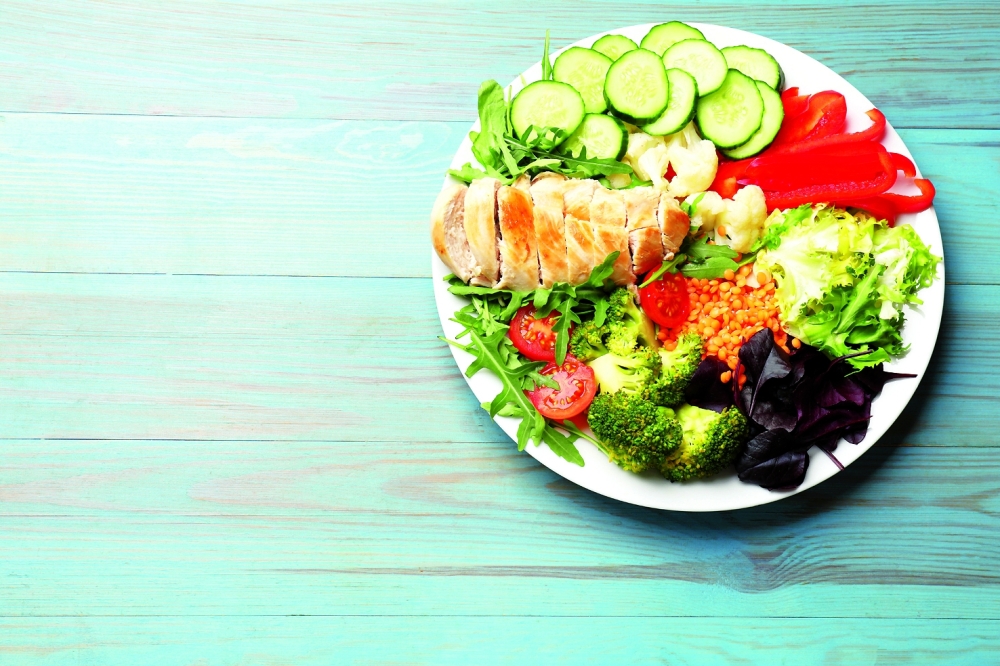
The Tayyibat Diet promoted by Egyptian physician Diaa El Awady bans a wide range of foods, including chicken, eggs, legumes, most vegetables, dairy products and some types of fish, while encouraging the consumption of rice, potatoes, red meat, natural sugars and certain types of cheese.
It argues that the banned foods are bad for you and that by following it, one can manage chronic ailments, despite no scientific evidence.
But doctors and nutritionists in Oman call for a balanced diet based on scientific research and proper medication to manage lifestyle diseases.
Shamsa bint Ibrahim al Khusaibi, Clinical Nutrition Technician and member of the Oman Nutrition and Clinical Nutrition Association, said the Tayyibat diet excludes a number of foods and products that are traditionally considered important sources of essential vitamins, minerals and nutrients required for maintaining overall health.
According to Al Khusaibi, restricting or eliminating entire categories of food may increase the risk of nutrient deficiencies.
“Many of the foods excluded under this type of dietary approach contribute significantly to meeting the body’s nutritional requirements,” she said. “Without suitable alternatives and professional guidance, some individuals may not obtain adequate amounts of key nutrients necessary for normal physiological functions.”
She noted that nutritional needs vary considerably from one person to another depending on age, gender, health status and lifestyle factors, making it difficult to apply a single dietary model universally.
Al Khusaibi explained that although some individuals may report improvements in certain symptoms after modifying their eating habits or avoiding specific foods, personal experiences alone do not to validate the effectiveness or safety of a dietary plan.
“Scientific conclusions should be based on well-designed studies and peer-reviewed research rather than anecdotal reports,” she said.
Health professionals also point out that patients with chronic diseases, older adults, pregnant women and other high-risk groups should seek medical advice before adopting major dietary changes.
Experts maintain that the success of any nutrition plan should not be measured solely by testimonials shared online, but rather by evidence generated through controlled scientific studies and clinical research.
Nutrition professionals further highlight that healthy life is influenced not only by food choices but also by broader lifestyle factors, including regular physical activity, adequate sleep, stress management and routine medical check- ups.
The ongoing discussion surrounding the Tayyibat diet reflects a broader challenge facing modern societies: distinguishing between health claims supported by scientific evidence and those based primarily on individual experiences. As access to health information expands through digital platforms, experts say the need for evidence-based nutrition education has never been greater.
Al Khusaibi called for further independent scientific studies to assess the Tayyibat diet and similar dietary approaches that are gaining popularity across the region. Such research, she said, would help provide objective information that enables individuals to make informed decisions regarding their health and nutrition.
Nutrition specialists agree that promoting scientific literacy and evidence-based dietary practices remains essential for protecting public health and ensuring that individuals receive reliable guidance in an increasingly complex nutrition landscape.
The man behind the trend, El Awady, was an Egyptian doctor trained in anaesthesia and intensive care who reinvented himself online as a nutrition guru. He died in April this year at the age of 47.
He argued that most chronic illnesses, from diabetes to hypertension, could be treated by “healing the gut” and eliminating supposedly toxic food, with medication playing only a secondary role. His system prescribes a diet that is starkly at odds with much of the mainstream nutrition advice.
Many experts in GCC have warned against following any scientifically unproven diet or using such diets as a substitute for prescribed medical treatment without specialist supervision. They cautioned against categorising foods in absolute terms as “beneficial” or “harmful,” or eliminating essential food groups without medical justification. It also warned against promoting excessive consumption of sugars or saturated fats as a safe option for everyone.
GRAPH POINTS
1. Tayyibat diet aims to cure most chronic illnesses by “healing the gut”
2. There is no scientific evidence to prove the benefits of this type of diet
3. A balanced diet and proper medication are essential to manage lifestyle diseases
4. Personal experiences alone do not validate the effectiveness of a dietary plan
Oman Observer is now on the WhatsApp channel. Click here


